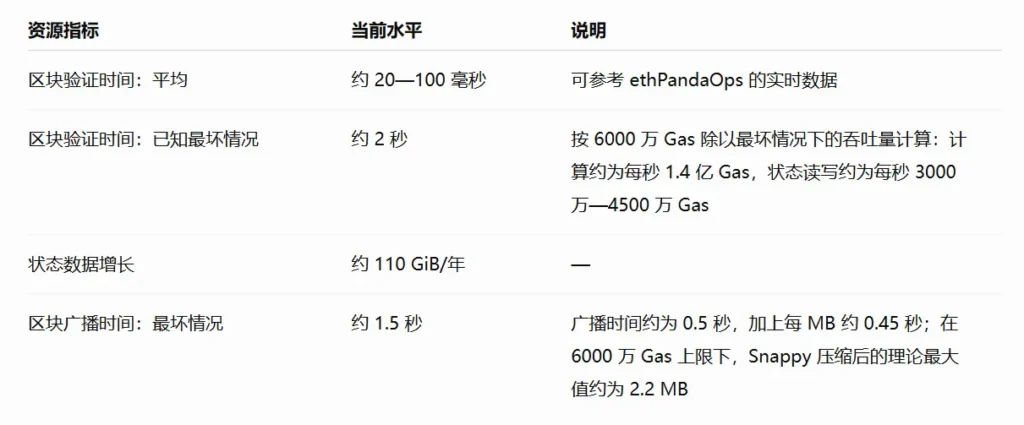
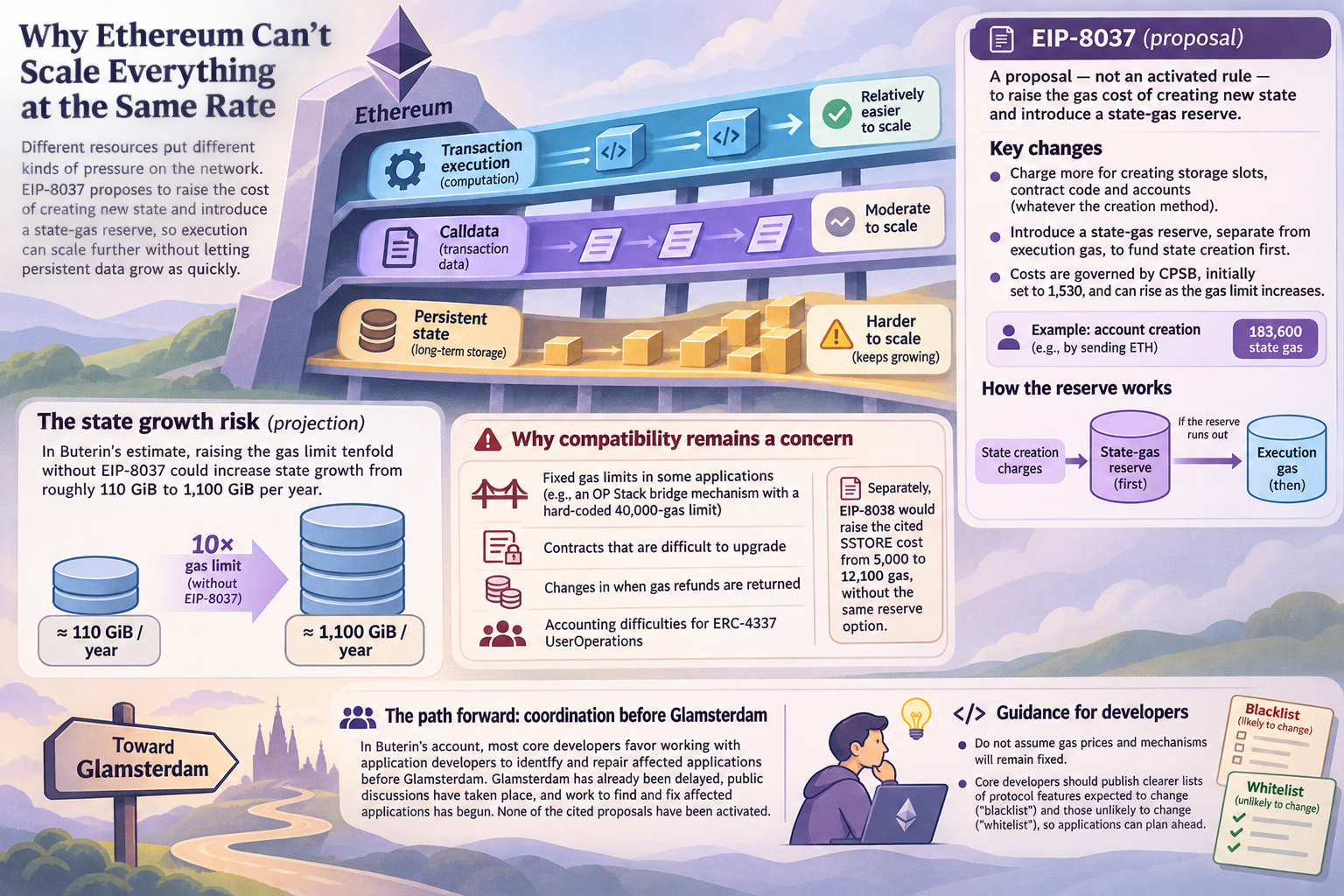
In a discussion published on November 17, 2026, Vitalik Buterin argued that Ethereum cannot safely scale every resource at the same rate. EIP-8037, a proposal rather than an activated rule, would raise the gas cost of creating new state while introducing a state-gas reserve. Its aim is to leave more room for transaction execution without allowing persistent data to grow as quickly.
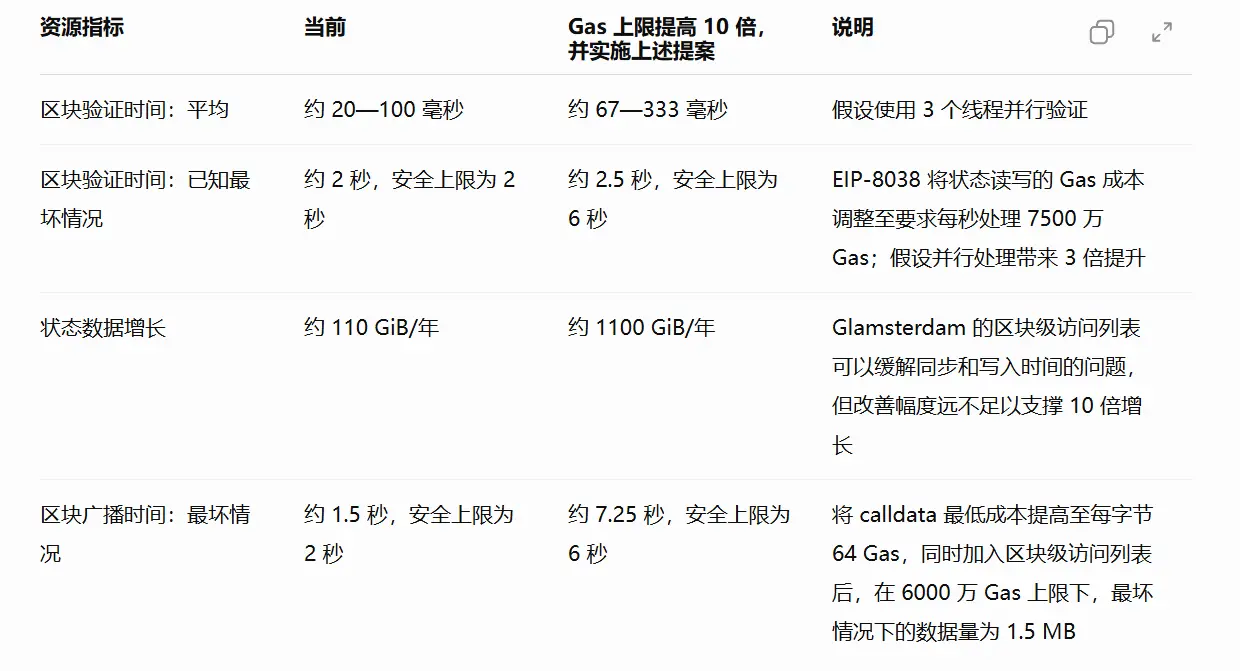
Buterin’s central distinction is between work a node performs to execute a transaction and state it must continue to store. In his estimate, raising the gas limit tenfold without EIP-8037 could increase state growth from roughly 110 GiB to 1,100 GiB per year. Those are projected figures, not observed results of a gas-limit increase.
What EIP-8037 would change
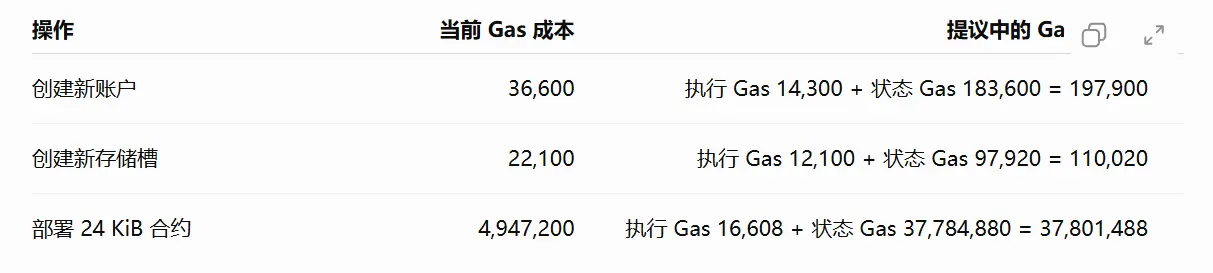
The proposal would charge more for creating storage slots, contract code and accounts, regardless of how that state is created. Buterin gave the example of an account created by sending ETH: under EIP-8037, it would incur 183,600 state gas. He said the parameter governing these costs, CPSB, would initially be set to 1,530 and could rise as the gas limit increases.
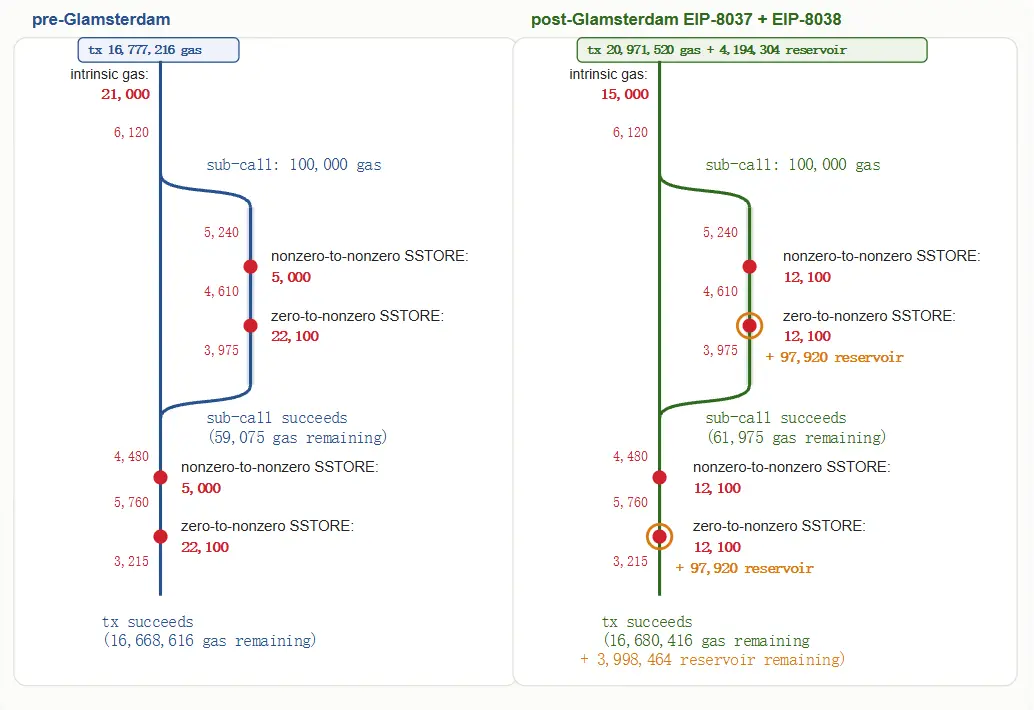
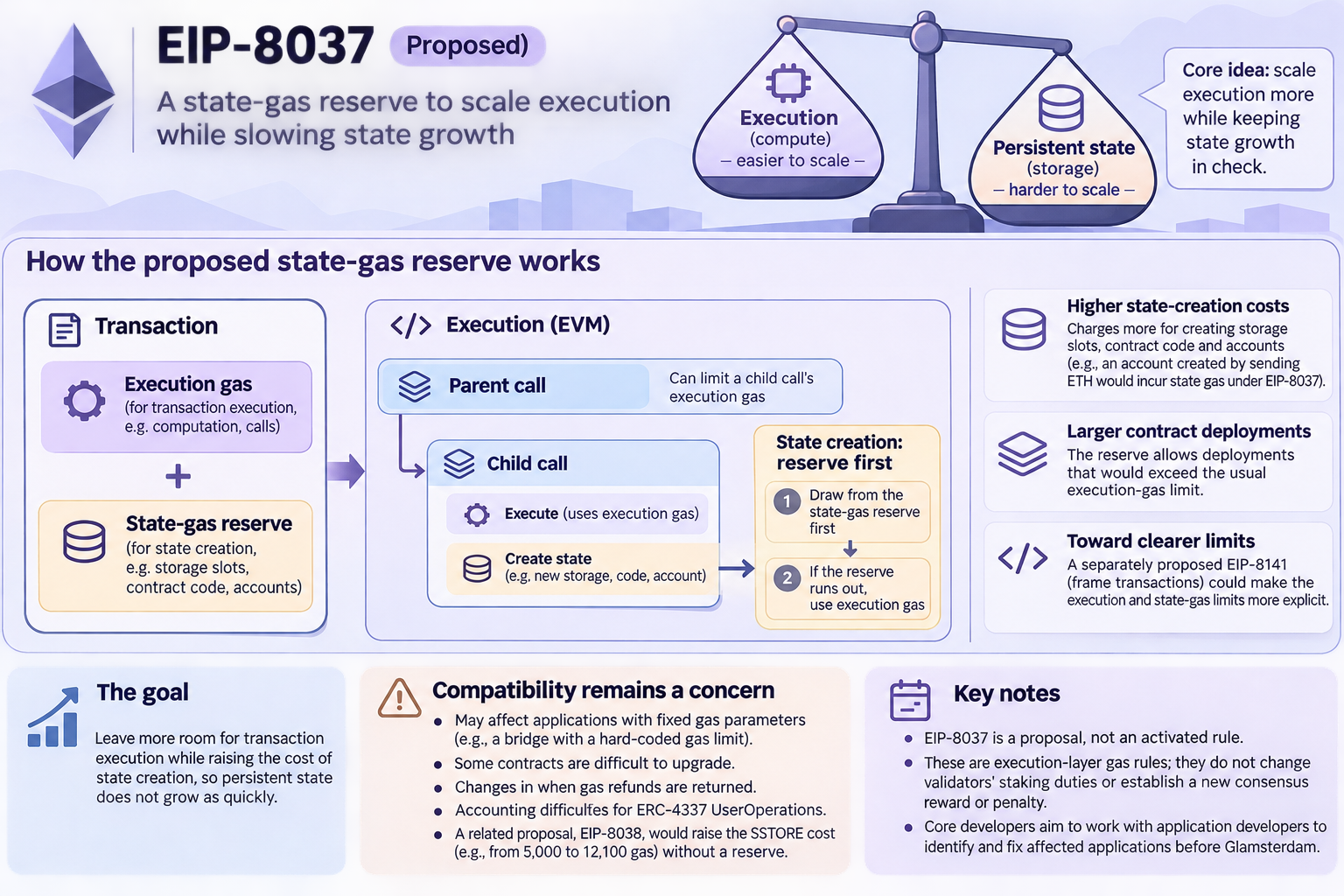
The proposed reserve would distinguish gas available for execution from gas set aside for state creation. State-creation charges would draw from the reserve first, then from execution gas if the reserve ran out. A parent call could restrict a child call’s execution gas, but the child could still use the available state-gas reserve. Buterin said this design would allow large contract deployments and could help some calls that create storage slots despite fixed execution-gas limits. He also noted that the separately proposed EIP-8141 frame transactions could make the two limits more explicit; that transaction format was not yet available in the account he gave.
These are execution-layer gas rules. They do not change a validator’s staking duties or establish a new consensus reward or penalty. Buterin discussed possible future consensus changes separately, without presenting them as part of EIP-8037.
Why compatibility remains a concern
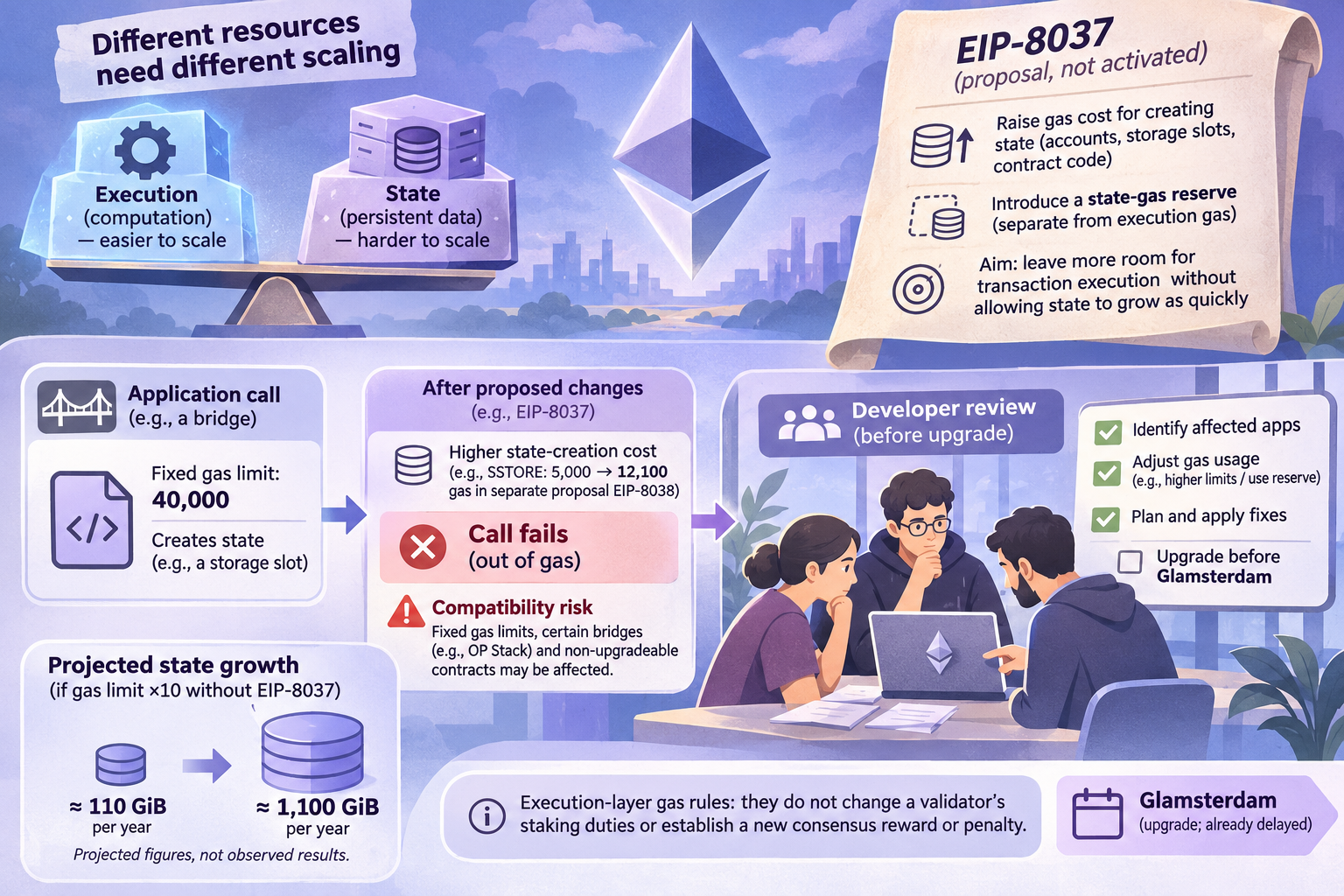
Buterin said the reserve would not protect every application. He pointed to a hard-coded 40,000-gas limit in an OP Stack bridge mechanism: an attacker might submit a transaction without a reserve, causing a withdrawal-related call to fail while the operation is nevertheless recorded as completed. He also identified contracts whose configuration is difficult to upgrade, changes in when gas refunds are returned, and accounting difficulties for ERC-4337 UserOperations. Separately, the proposed EIP-8038 would raise the cited SSTORE cost from 5,000 to 12,100 gas, without the same reserve option.
Buterin described possible protocol mitigations, including delaying refunds until the end of a transaction, adding another reserve or changing how older contracts are treated. Each would carry trade-offs or compatibility risks. In his account, most core developers favored working with application developers to identify and repair affected applications before Glamsterdam, rather than assuming a protocol change could remove every problem. He said Glamsterdam had already been delayed, public discussions had taken place and work to find and fix affected applications had begun. None of that means EIP-8037 or the other cited proposals had been activated.
For developers of non-upgradeable contracts, Buterin’s immediate advice was not to assume gas prices and mechanisms will remain fixed. He called on core developers to publish clearer lists of protocol features expected to change and those unlikely to change, so application developers can plan around explicit expectations rather than unwritten assumptions.